GET AQUOTE

Sectors:
Rail

As only UKAS ISO 17020-accredited organisation in the UK for NDT to the Rail Industry standard RIS-2701-RTS, NECIT supports rolling stock manufacturers, rail infrastructure projects and structural fabricators with certified inspection and NDT expertise that meets the specific regulatory requirements of the UK rail sector.
 

NECIT is the only UKAS-accredited inspection body with the Rail Industry Standard RIS-2701-RTS listed under its NDT accreditation scope, making us the mandated choice for structural integrity, third party inspection, and railway inspection services across the UK's transport infrastructure.


Our ISO 9712 Level 2 technicians and in-house Level 3 certified NDT engineers inspect the essential components that passenger and freight networks depend on, where precision is absolute and tolerance for failure is zero. For operators managing aging rolling stock and trackside infrastructure under increasingly stringent safety mandates, that accreditation is not a mere differentiator—it is a strict compliance requirement.
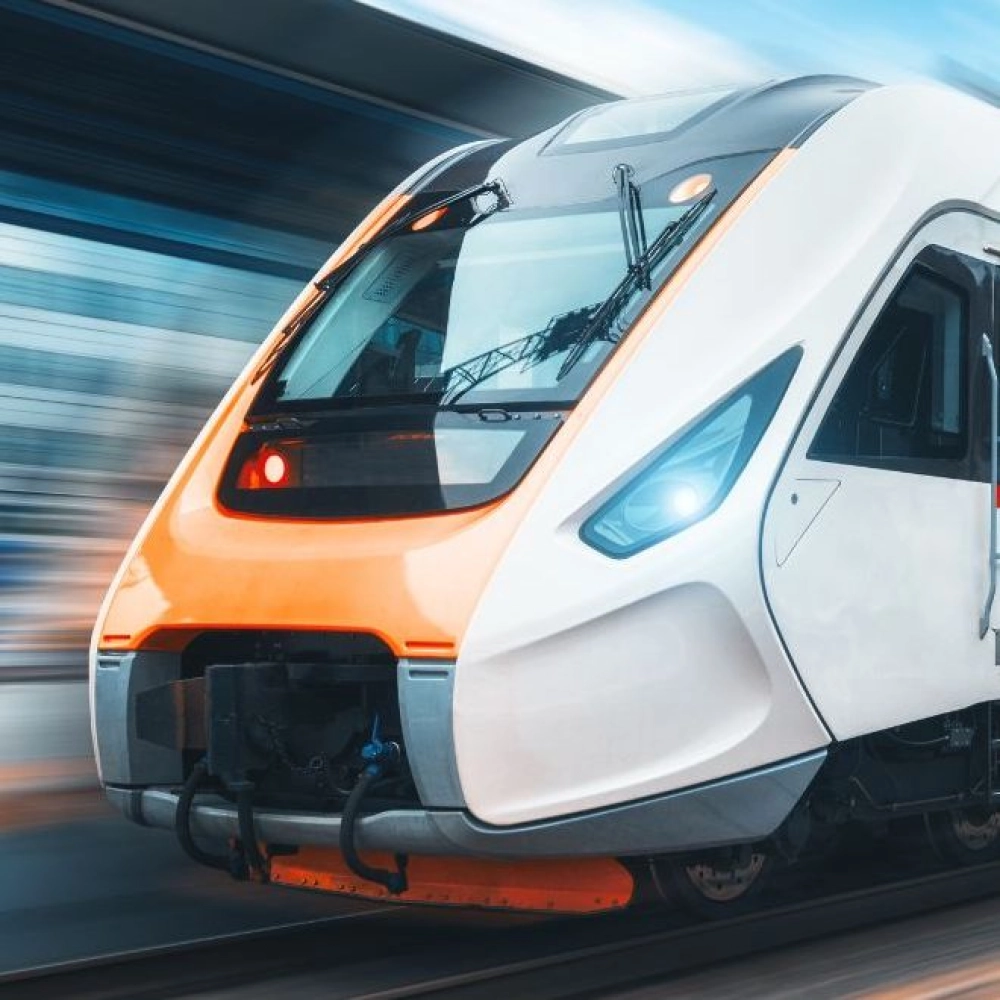



Safeguarding the Network: Derailment Prevention and Public Safety

The daily reality of rail transport involves immense, repetitive structural forces. Rail tracks and train axles endure relentless, high-tonnage pounding from passing freight and passenger cars. Over time, this constant mechanical stress introduces micro-fissures and internal flaws that are completely invisible to the naked eye. Left unchecked, these sub-surface defects can rapidly propagate into full structural fractures, presenting a severe risk of catastrophic derailment.


By employing advanced non-destructive testing methods, certified inspectors can peer deep inside the metallurgy of the rail infrastructure. Executing targeted weld testing london and regional rail contracts enables us to identify defects across dense commuter networks. Utilising advanced magnetic particle inspection on track components and wheel axles is the ultimate line of defense for public safety, ensuring the network remains secure under maximum operational loads.

Optimising Rolling Stock & Maintenance Budgets

Beyond the tracks themselves, the structural integrity of rolling stock, specifically bogies, wheelsets, and passenger carriages, is continuously challenged by constant vibration and dynamic twisting. Specialised welding inspection is critical to verifying that these load-bearing joints can handle the daily strain.


Furthermore, rigorous inspection directly drives cost-efficient maintenance strategies for aging fleets:


  • Rolling Stock Reliability: Ensures carriages and bogies remain structurally sound, minimising unexpected line failures and keeping timetables accurate.
  • Strategic Asset Longevity: Extends the operational life of aging rolling stock by accurately mapping defect propagation over time using repeatable NDT methods
  • Repair vs. Replace: Enables operators to confidently opt for targeted, certified repairs rather than swallowing the massive capital expenditure of premature asset replacement.

Ultimately, independent rail welding certification and professional third party inspection transform maintenance from a reactive guessing game into a predictive science, protecting public safety while keeping the network moving efficiently.

Why Rail Clients Choose NECIT

  • UKAS-accredited inspection body - independently verified competence, not just ISO certification
  • Global inspector network of over 3,000 qualified professionals
  • International standards expertise - ISO, ASME, API, NACE, BS EN and client-specific requirements
  • Digital inspection reporting - through INSPEKTA-GADGET, our proprietary inspection management platform

Specialist Rail Inspection Capabilities

Non-Destructive Testing (NDT) for Rail


NECIT is a UKAS-accredited NDT inspection body, providing independent assurance that your test results are credible and defensible. Our UKAS-accredited NDT services used in the rail sector include:


  • Phased array ultrasonic testing (PAUT) — advanced weld and corrosion assessment
  • Magnetic particle inspection (MPI) — surface and near-surface crack detection
  • Ultrasonic testing (UT) — wall thickness measurement and flaw detection
  • Hardness testing — material verification for process equipment
  • Visual inspection (VT) — by qualified Level 2 and Level 3 technicians


Welding Certification for Rail


Weld integrity is critical in rail applications. Our welding certification services cover the full qualification process — from welding procedure qualification records (WPQRs) and welding procedure specifications (WPS) to individual welder qualification testing (WQT). We work to international standards including ISO 15614, ASME IX and BS EN ISO 9606, ensuring your welders and procedures are certified to the requirements of your project.


Third Party Inspection Services


Acting as your independent eyes on the ground, our third party inspection service provides vendor inspection at manufacturer facilities worldwide. We verify that equipment, materials and fabrications meet your purchase order, drawings and applicable codes — giving you confidence in what arrives on site. Our inspectors can work to client-specific inspection and test plans (ITPs) and produce fully documented inspection reports.


Expediting Services


When schedule is as critical as quality, NECIT's expediting service keeps procurement on track. Our site and desk expeditors monitor manufacturing progress, identify potential delays early and work directly with suppliers to ensure critical equipment arrives when you need it.
 

Inspection Data You Can Trust and Trace
 

In rail, inspection documentation isn't an afterthought, it's evidence. NECIT's proprietary INSPEKTA-GADGET platform gives clients real-time visibility of every inspection activity, from initial vendor audit through to final release.
 

Every action, finding and sign-off is timestamped and traceable. Reports are available as they happen, not days later. With full documentation centralised in one secure location, accessible from your office, site or operations centre.

Frequently asked
Why is a rigorous welder qualification testing program essential for rail fabrications?
Rolling stock and rail infrastructure are subject to extreme cyclic stresses. Implementing structured welder qualification testing across construction teams ensures every joint possesses adequate fatigue resistance. Routine welder tests guarantee that all operators possess verified skills to complete structural train chassis components safely.
Frequently asked
How are non destructive testing techniques applied to rail tracks and bogies?
Technicians apply specialised non destructive testing techniques to find micro-fissures in rail components before they cause a derailment. Deploying standardised NDT testing methods across track assemblies and wheel sets highlights internal flaws without interrupting transit operations.
Frequently asked
What role does third party inspection play in major railway infrastructure projects?
Independent third party inspection provides an extra layer of oversight across vast cross-country transit projects. Deploying specialised NDT inspections for infrastructure projects guarantees that track switch elements, overhead line supports, and tunnels meet international safety standards.
Frequently asked
Which NDT metal testing methods are best suited for rail fatigue crack detection?
Surface fatigue requires rapid, targeted NDT metal testing to scan heavy track miles efficiently. Applying regular NDT crack testing across high-wear zones allows rail operators to detect stress fractures early, planning maintenance actions before surface wear becomes a safety hazard.
Frequently asked
How does a comprehensive inspection summary assist rail operators with long-term asset health?
A clear inspection summary aggregates data on component degradation, material wear, and required maintenance windows. Consolidating field records into standardised inspections reports allows railway engineering managers to track mechanical trends and extend equipment service lifetimes.