Harnessing Non-Destructive Testing in Manufacturing: Boosting Quality and Efficiency
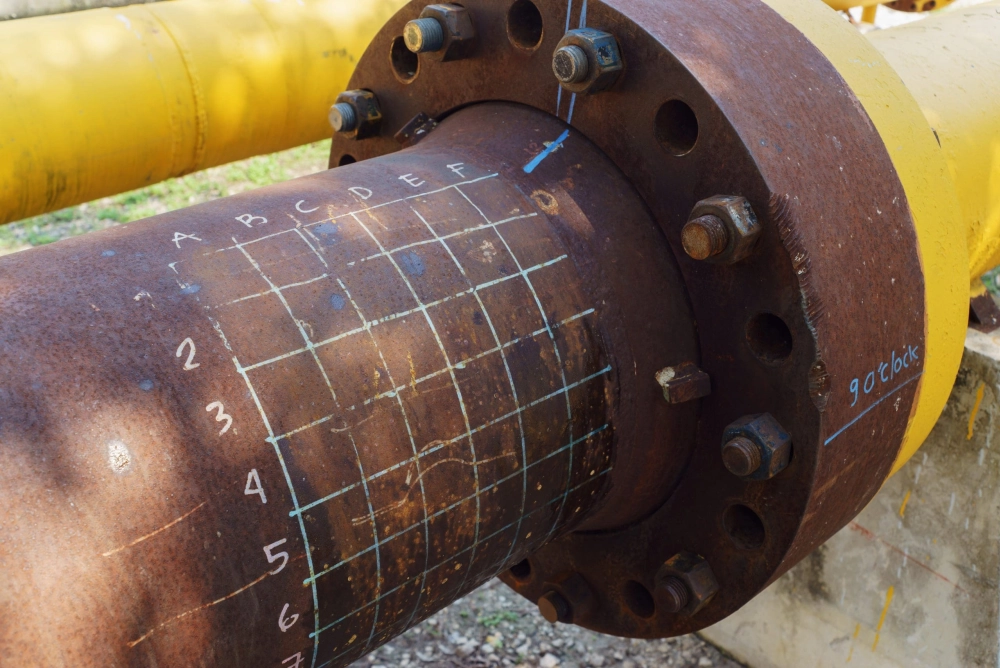
NDT comprises a set of techniques employed to assess the quality of materials, components, or systems without inflicting damage upon them. In manufacturing, NDT is utilised to detect defects and inconsistencies in products or materials at various production stages. Widely used NDT methods include ultrasonic testing, radiographic testing, magnetic particle testing, and eddy current testing. The significance of NDT in manufacturing stems from its ability to:
A. Ensure Product Quality and Reliability
NDT aids in pinpointing defects and inconsistencies in materials or components during the early stages of production. This empowers manufacturers to address issues swiftly, guaranteeing that only top-quality and reliable products enter the market.
B. Reduce Production Costs and Waste
By identifying defects early, NDT enables manufacturers to minimize material waste and cut down on rework or repair expenses. This results in more streamlined production processes and cost savings for manufacturers.
C. Meet Industry Standards and Regulations
Numerous industries, such as aerospace, automotive, and energy, adhere to strict quality control standards and regulations. Employing NDT techniques assists manufacturers in complying with these requirements, ensuring the safety and reliability of their products.